
The book “The Intelligent Investor” written by Benjamin Graham back in 1949, is considered the investment bible for modern day investors. According to the world’s most successful investors, it has been the go to book for information on how to become a great investor.
The book highlights great wisdom into the world of investing. It provides the individual with great wisdom and sage information towards the subject of investing which may appear alien or taboo to the ordinary person.
It gives insights into the area of value investing, risk management, market behaviour and investing rationale.
These principles have stood the test of time one the decades since the book was first written.
The aim is to provide invaluable lessons into the methods of successful investing for somebody new to the subject or a so-called seasoned investor. Who is hoping to beat stock markets returns year on year.
Amazon Affiliate link to buy this best selling book: https://amzn.to/44wfhzV
So who is Benjamin Graham ?
He was a renowned economist and investor, who created the book to underline his personal investment strategy. It was to promote his ideas to the wider audience in a distant manner.
His beliefs are to think long term, become disciplined and focus on the approach called “Value Investing“, whereby you will buy excellent companies at below current market prices.
By introducing these principles to the wider audience. It became the norm or cornerstone book for successful investors since, most notably his student, “Warren Buffett – The Sage of Omaha“, considered to be the worlds’ greatest investor.
He stated that most investors are driven by greed, fear of missing out, short term market noise and news, which led to irrational decisions being made.
Or following latest trends and investment fads at that time.
However, he advocates the reasoning to take an alternative approach. With regard to investing you should stay calm and focused. Take a prudent stance and buy companies out of favour at greatly reduced prices.
Once you have bought them, hold them for many years and you will be rewarded many times over financially.
It was through this book that the idea of Mr Market first become apparent. In that no two days in the market are the same. They will appear irrational on a daily basis, but it’s how you react to these daily swings in prices that will make you a better investor. Ultimately, by avoiding short term market sentiment.
He will use regular examples throughout the book, to illustrate his principles and the book will include a lot of technical data, graphs to substantiate his ideas and beliefs.
Benjamin was working in a time of a completely different era and mindset, where the aim that investing should be a journey over time and not a get rich quick journey.
On the belief and principle that patience, discipline and remaining calm will result in successful investing results over the course of time.
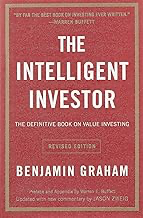
(Amazon Affiliate to buy the book): https://amzn.to/44wfhzV
So what are the contents of the book ?
Preface to the fourth edition.
Introduction: What is the book all about ?
Chapter 1: Investment verses Speculation
Chapter 2: The investor and inflation
Chapter 3: A century of stock market history
Chapter 4: The Defensive Investor
Chapter 5: The defensive Investor and common stocks
Chapter 6: Portfolio policy for the enterprising investor – negative approach
Chapter 7:Portfolio policy for the enterprising investor- positive approach
Chapter 8: The investor and market fluctuations
Chapter 9: Investing in investing funds
Chapter 10: The investor and his advisers
Chapter 11: Security analysis for the lay investor
Chapter 12: Thing stories consider about per-share earnings
Chapter 13: A comparison of four-listed companies
Chapter 14: Stock selection for the defensive investor
Chapter 15: Stock selection for the enterprising investor
Chapter 16: Convertible issues and warrants
Chapter 17: Four extremely instructive case histories
Chapter 18: A comparison of eight Pairs of companies
Chapter 19: Shareholders and management: Dividend policy
Chapter 20: Margin of safety as the central concept.
At the end of each chapter there is a section about commentary.
Appendixes:
- the superinvestors of Graham and Doddsville
- Important rules concerning taxation of investment
- The basics of investment taxation (as of 2003)
- The new speculation in common stocks
- A case history
- Tax Accounting for specific acquisition
- Technological companies as investments
Chapters based upon 4th edition version of this book.
What can the reader learn from reading this book ?
Value Investing:
Is fundamental to determine the true price of a share or company in relation to its real asset value. By finding out key important information such as asset vale, PE ratio, earnings, profits etc.
An individual can then identify the true value of a company, compared to it’s current valuation or intrinsic value.
If the intrinsic value is more than the current share price, then the stock is considered undervalued or cheap. The aim is to buy companies at below market value. Then hold onto them for many years until the true reversion in share price has happened.
Which then results in a very tidy profits or gain over time.
The Introduction of Mr Market:
He created a so-called imaginary person, with the aim that he turns up every day in the financial market place. He will the offer to buy or sell shares at a different price. Based upon what investors are willing to pay for them.
The investors then have little option to either accept that price to but or reject that price and don’t buy based on the price offered.
But they may feel compelled to act or invest at current prices regardless of their true valuation.
Hence the reason why the market goes up and down on a daily basis. The prices and indexes are then based on short term market noise and sentiment.
Margin of Safety:
Investors should try and buy good quality stocks and shares below their true intrinsic value. So that a margin of error is factored into the current share price of the company.
Buying undervalued companies or unloved stocks is a simple concept to act upon, but very few people act in this manner.
So do your own research and look at the background financial fundamentals of a company before you invest in it and you will be rewarded over time.
He liked to act upon a margin of safety for stocks trading at two-thirds of their net asset value.
What do I like about this book ?
Although the book was written several years ago, it stands the test of time with regard to basic fundamentals and principles required to become. successful investor.
Based upon number of books sold since, highlights its the go to book for today’s most successful investors.
By adopting some the principles stated you can improve your level of financial knowledge. So you can achieve good investments returns year on year. If you follow his beliefs and ideas.
What I didn’t like about the book ?
The book is over 600 pages in total, divided across 20 chapters. It may appear too long and daunting for many readers, especially those new to the world of investing.
The book is written by US citizen and investor, so is solely focused on the investments held within the USA.
So graphs, examples and companies talked about are all US focused.
However though, the ideas and principles stated and highlighted can be applied to any country that you are investing in.
Not matter what country the investor resides in.
Key takeaways from the book:
He is known as the father figure of investing. The man who provided a route and pathway to guide many successful investors in the world today.
His methods and beliefs focus on some key findings such as patience, discipline and remaining calm. You will win in the end over short term irrational thinking.
By buying quality companies at a reduced price, you are creating a margin of safety.
He introduced the concept known as “Value Investing“
Amazon link to buy this best selling book: https://amzn.to/44wfhzV
Remember !
If you like this book summary, check out out my other blogs and posts on this website, https://moneyminted.co.uk to improve your investing knowledge. So you can can reach your financial goals and aims.
It’s not a get rich quick journey, but you will get there in the end. If you create an action plan and think term.
Be the first to reply